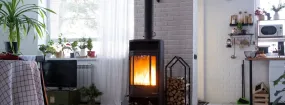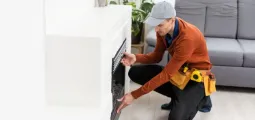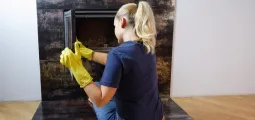
A smoky smell on a humid afternoon, scratching above the damper, a fire that refuses to draw: chimneys tend to announce trouble in small ways first. If one of those moments led you to search for “wood stove chimney services”, you are in a good place to start. This page walks through wood stove chimney care for buildings around Port Coquitlam, explaining what usually causes problems, what a visit involves and which simple checks you can make safely on your own.
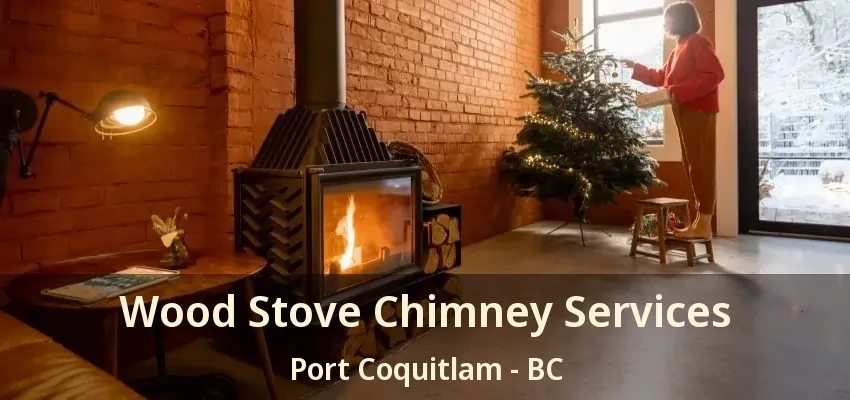
The system starts at the stove’s flue collar, where the connector pipe, often called stovepipe, attaches. That pipe runs to either a wall pass-through or a ceiling support, then joins the chimney itself, which may be a lined masonry flue or an insulated, factory-built metal chimney. At the top, a cap keeps out rain and animals. Each joint and transition is a point where creosote can gather or a seal can fail. Asking for “wood stove chimney services” means caring for every one of those pieces, not just the visible pipe above the stove.
Smoke spills in when the draft is weaker than the push of the fire, and we usually trace it to one of a few causes. In tight, well-sealed houses, exhaust fans and dryers create enough suction that the chimney becomes an air intake instead of an exhaust. Short chimneys, nearby trees or a taller roofline beside the stack can disturb the airflow at the top. Inside the flue, heavy creosote, a nest or fallen debris narrows the path. Sometimes the fireplace opening is simply too large for the flue. Finding which one applies takes a look from both ends, and the fix ranges from a habit change to a repair.
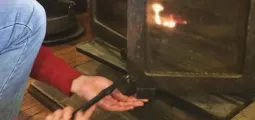
Look for rust spots, discolored or bluish metal, joints that have pulled apart or show gaps, and dark streaks or sticky drips of tar at the seams. Smoke or a smoky smell near the pipe while the stove is burning means something is leaking. A pipe that rattles, sags or has lost its screws also needs attention. Single-wall pipe should keep its proper distance from walls and ceilings. If you notice any of these, let the stove go cold and book wood stove chimney care before relighting, since a failing connector sits close to the hottest part of the system.
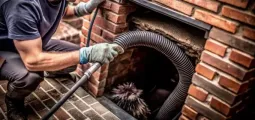
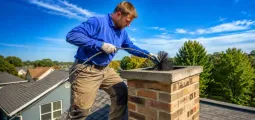
Cleaning a stove system means treating the stove, the connector pipe and the chimney as one path, because creosote does not stop at the joints. We start inside the stove, since the baffle and the flue collar collect fine ash that chokes the draft. The connector pipe often holds more buildup than the chimney, especially where it turns at an elbow. Then we sweep the flue with a brush that suits the liner. Stoves burned low and slow overnight leave the stickiest deposits we see, so we also ask how the stove is run. Small changes to those habits often make the next cleaning noticeably easier.
Glazed creosote comes off with tools and time, since an ordinary brush glides over it like a broom on ice. We describe creosote in three stages: a loose, sooty layer that brushes away, a crunchy, flaky layer that needs stiffer heads, and a glossy third stage that clings to the liner like candy coating. For that last stage we use rotary heads with chains or cutting blades, spun on a drill and matched carefully to the liner so we do not damage it. Chemical modifiers help too, turning the glaze into a brittle crust we can sweep out later. Each method has limits, so we explain them first.
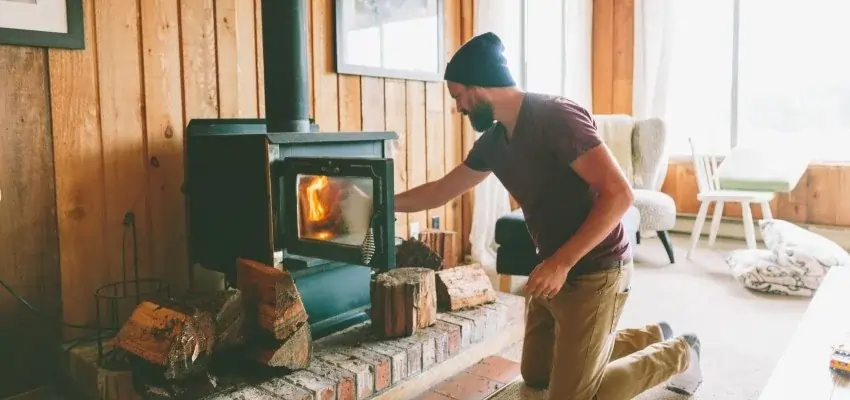
Most wood stove chimneys need sweeping at least yearly, often more frequently than an open fireplace, and we base the schedule on how the stove is used rather than a fixed date. A stove that runs day and night through the coldest months can coat its pipe and flue in a matter of weeks if the wood is damp or the air control is turned right down. For those homes we often suggest a sweep before the season and a quick inspection midwinter. A stove lit mainly on weekends may be fine with one visit a year. After a few seasons of notes, the right interval becomes obvious.
We tell most owners to plan on a yearly visit and let the findings set the sweeping schedule. If we pull out a heavy load after one season, the chimney should be checked sooner next time; if the flue is lightly coated, stretching the interval is reasonable. Fuel and habits matter more than the calendar. Dry hardwood burned hot leaves far less behind than damp wood or a stove turned down overnight, and inserts and stoves often need attention more often than open fireplaces. Keeping a note of each visit and what came out makes the right rhythm for your chimney easy to see.
A standard chimney sweep usually takes about an hour to an hour and a half for a single flue. Expect more time if there are several flues, if a stove or insert has to be disconnected, if the roof is steep or high, or if the buildup is heavy or glazed. A camera inspection or a written report adds a little more. Plan to be available for the whole visit and for a short conversation at the end, when the technician explains what was found. If your day is tight, describe your setup when booking so the company can give you a realistic window.
Some owners do sweep their own chimneys, but we see enough DIY mishaps to suggest leaving the flue to a professional. Wire brushes can scratch stainless steel liners, and rods pushed from below without a vacuum spread soot through the room. Falls from roofs are a real risk. Sweeping logs can make loose creosote flakier so it drops more easily, which helps between visits, yet the debris still has to come out and the flue still needs a look. The parts we encourage owners to handle are good burning habits and visual checks; cleaning and inspecting are where trained eyes and proper tools pay off.
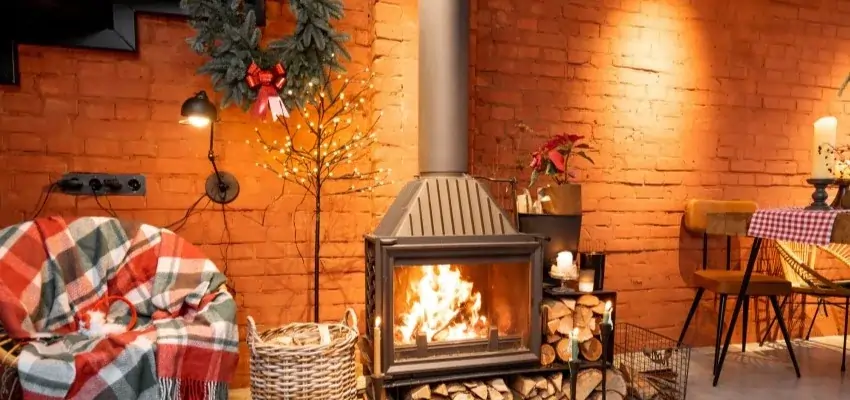
Renovations, inspections and sales are all good reasons to check the parts of a home that are usually out of sight. We can fit the visit around your contractors or your listing date. Request a quote for wood stove chimney care and mention your timeline.
A swept flue and plain answers: Chimney Cleaning in Port Coquitlam
Enjoy the fire after Chimney Sweep in Port Coquitlam
From roof cap to firebox, Chimney Sweep Services in Port Coquitlam
Ready for the season with Fireplace Experts in Port Coquitlam
Glass cleaned without scratches: Gas Fireplace Cleaning
Catch a weak thermocouple early with Gas Fireplace Maintenance