Nobody needs to panic about a chimney, and nobody should ignore one either. The sensible middle ground is knowing what to watch for and when to bring in help. If “residential chimney services” is what you typed, this page lays out that middle ground for people in Port Coquitlam: what residential chimney care involves, what a technician looks at and what you can keep an eye on between visits, all in plain terms and with the reasoning behind each answer.
A chimney needs sweeping because every fire leaves deposits inside the flue, and if they are never removed they turn into a fire hazard and an obstruction. The main culprit is creosote, a tarry residue from wood smoke that burns hot and fast once it ignites. Buildup also narrows the passage, so smoke drifts back into the room and fires get harder to start. A swept flue drafts better, smells less and gives whoever cleans it a clear view of the liner, damper and cap, which is often how cracks, rust and loose parts are caught while they are still small.
Most homes need the same few things on a cycle. Cleaning and inspection come around regularly, often yearly if the fireplace or stove is used. Every so often, the cap needs replacing, the crown needs sealing or patching and the flashing needs attention where the chimney meets the roof. Dampers wear out, mortar joints erode and, eventually, many older chimneys need a new liner. Planning for these as normal upkeep, rather than surprises, makes them easier to budget. A company providing “residential chimney services” can outline what your chimney is likely to need next.
Creosote is condensed wood smoke, and its flammability is the main reason chimney sweeping exists. Smoke carries unburned particles and vapor, and when it meets a cooler surface those compounds stick. We find the heaviest deposits where gases slow down or lose heat quickly: the smoke chamber just above the damper, the bends in a stovepipe and the upper section of chimneys built on an exterior wall. That residue is fuel sitting inside a passage built to carry fire, so a spark or an overloaded firebox can ignite it. That is why we gauge its thickness on every visit and explain what it means for you.
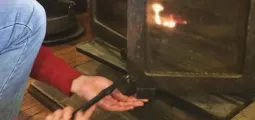
Smoke comes back into the room when the chimney cannot pull it upward fast enough, and the usual causes are a cold flue, a partly closed damper or a house that is short of air. Make sure the damper is fully open and start with a small, hot kindling fire so the flue warms gradually. Kitchen and bathroom fans can draw air down the chimney, so switch them off and open a nearby window slightly. Wet wood produces heavy smoke too. If smoke still spills in after those changes, a blockage or a problem with the chimney itself needs a professional look.
A dedicated chimney check is worth arranging before you buy, because a general home inspection usually covers only what can be seen from the hearth and the roofline. The inside of the flue, where cracks and gaps hide, often goes unexamined. Ask the seller when the chimney was last swept and whether there were any repairs or past fires. A chimney technician can run a camera through the flue and give you a written summary before your inspection period ends. Finding a damaged liner or crown early gives you room to negotiate or plan a repair instead of discovering it after the first fire.
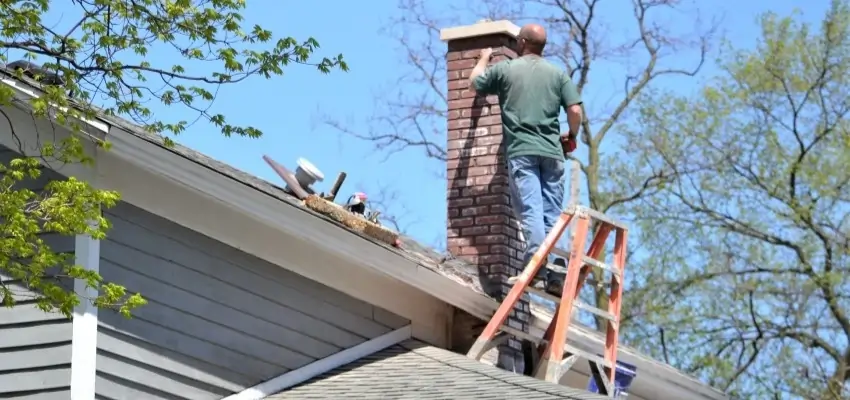
Older homes usually have masonry chimneys, sometimes unlined or lined with clay tile, so care centers on mortar joints, tile cracks and water entry through aging crowns. Newer homes often have factory-built fireplaces with metal flues inside a framed chase, where the focus shifts to the chase cover, rust, joint connections and the parts the manufacturer specifies. Both still need cleaning and inspection. A technician handling “residential chimney services” should identify which type you have in the first few minutes and adjust the tools and checks accordingly.
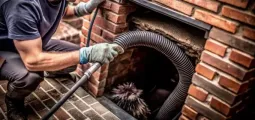
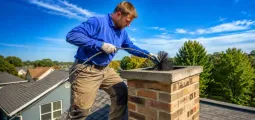
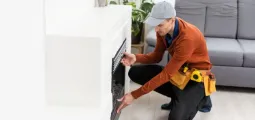
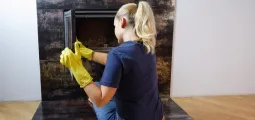
During a chimney sweep, the technician scrubs the inside of the flue from top to bottom and removes the loosened buildup without spreading it through the room. A typical visit starts with drop cloths around the hearth and a powerful vacuum set up at the fireplace or stove opening. Brushes sized to the flue are run through on flexible rods, from below, from the roof or both. The smoke chamber, damper and firebox are cleaned as well. Most sweeps finish by checking the cap and the visible parts of the chimney and telling you what they saw, including anything that needs attention later.
Someone should be home, because almost every chimney visit starts and ends at the hearth. The firebox, damper and smoke chamber are reached from inside, and stoves or inserts may need to be opened up. We also prefer to show the owner what we found while the details are fresh, ideally with photos on a tablet or standing in front of the fireplace itself. A trusted neighbor, relative or property manager can stand in if you are at work. For rentals around Port Coquitlam, it helps to tell tenants ahead of time that someone will be working on the roof and at the hearth.
If the sweep finds damage, ask to see it, ask what it means for safety and get a written quote before you agree to anything, since a sound recommendation can always be shown and explained. Photos or camera footage should make the problem clear. Ask whether the fireplace or stove can be used in the meantime, and which repairs are urgent and which can be planned. Common findings include a cracked crown, loose flashing, a rusted damper, a missing cap or cracked flue tiles. For larger jobs, such as relining, a second opinion is reasonable. Avoid deciding under pressure on the doorstep.
If you have never had this done before, it helps to know what to expect. We walk you through the visit, how long it usually takes and what you will see when we finish. Start with a quote and ask us anything along the way.
A swept flue and plain answers: Chimney Cleaning in Port Coquitlam
Enjoy the fire after Chimney Sweep in Port Coquitlam
From roof cap to firebox, Chimney Sweep Services in Port Coquitlam
Ready for the season with Fireplace Experts in Port Coquitlam
Glass cleaned without scratches: Gas Fireplace Cleaning
Catch a weak thermocouple early with Gas Fireplace Maintenance