When homeowners in Port Coquitlam search for “quadra-fire fireplace”, they usually want three things answered: what is wrong, whether it can be fixed and what the work will involve. The answers below take those questions one at a time, for gas fireplaces, inserts and wood-burning stoves, without a sales pitch. Read the parts that match your unit and you will go into any conversation about Quadra-Fire stove and fireplace service knowing which details matter and which ones do not.
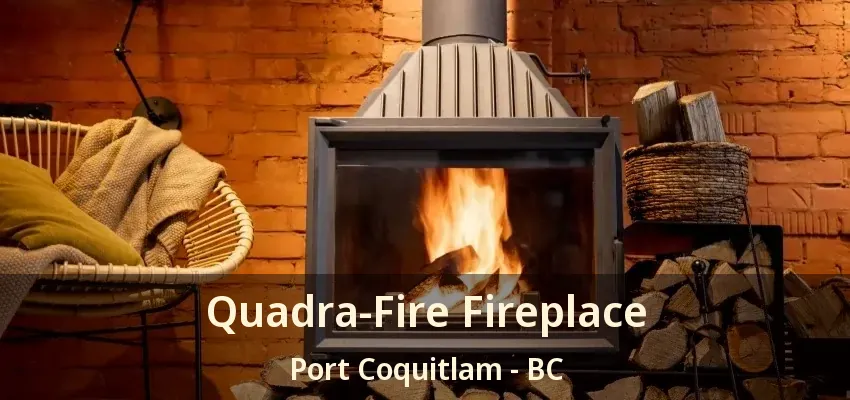
Pellet stoves need more frequent cleaning than most owners expect, because ash collects in the burn pot, the heat exchanger and the exhaust path every time they run. Quadra-Fire is one of the brands that offers pellet models alongside wood and gas units, so if your “quadra-fire fireplace” search is about a pellet stove, mention it when you book. Typical service includes cleaning the burn pot and exhaust passages, checking the igniter, auger and combustion blower and inspecting door gaskets. Routine burn-pot and ash cleaning between visits follows your manual. Pellet stoves also depend on household power, so an outage stops them.
A stove that heats the room less than it used to is usually either burning poorly or losing heat up the chimney. In wood units, wet firewood, leaky gaskets and a dirty or damaged baffle are common reasons. In pellet units, a burn pot crusted with ash, poor-quality pellets or a dirty exhaust path choke the fire. Gas units can lose output when the burner or pilot is dirty or the gas pressure is off. Write down how the fire looks and how long it has been happening, then book Quadra-Fire stove and fireplace service so the technician can test rather than guess.
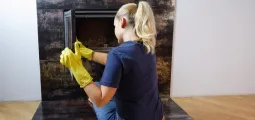
Film on fireplace glass usually tells you something about how the fire is burning. On gas units, a white haze is common and builds up from minerals and byproducts in the combustion gases; it can be cleaned with a product made for fireplace glass, since ordinary cleaners may etch it, ideally during a service visit on sealed units. Black soot on gas glass is different and suggests the flame is not burning cleanly, often because of misplaced logs, dirt in the burner or a venting issue. On wood stoves, brown or black staining usually comes from smoldering fires or damp wood.
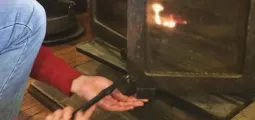
Smoke in the room comes from one of two things: a leak or weak draft. To find a leak, we close the door on a strip of paper at several points; if it slides out easily, the gasket is no longer sealing. We also look at the glass gasket and the seams where plates meet. For draft, we check the flue for creosote or a blocked cap, look at how the stovepipe is routed and ask how fires are started. A cold chimney, a tight house with exhaust fans running and damp wood can each make a perfectly good stove smoke.
Many fireplace repairs are finished in a single visit of an hour or two, especially when the problem is a common wear part the technician carries. Longer visits happen when the fault is intermittent, when an insert has to be pulled forward or when several issues turn up together. If the needed part is not in stock, expect a diagnosis visit followed by a second appointment once it arrives, which can take days or weeks for older or less common models. Ask for a realistic timeline before work starts, especially if you rely on the fireplace for heat.
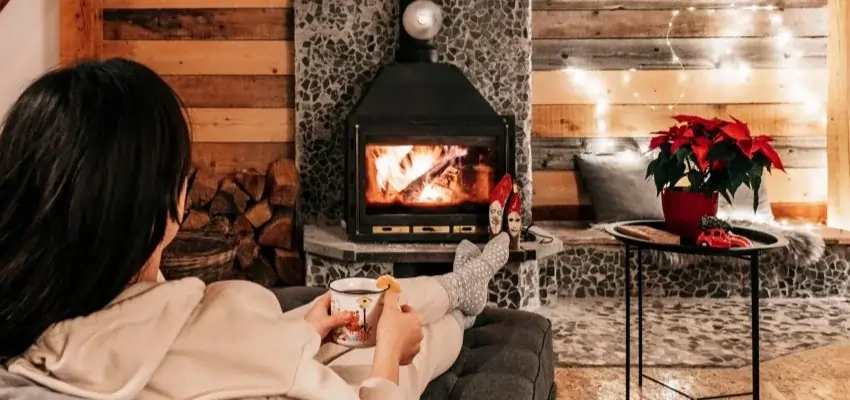
The most helpful thing is a cold, clear fireplace. We cannot safely open a unit that is still hot, so a gas fireplace switched off a few hours early and a stove left unlit since the day before save real time. We also need room to lay down drop cloths and set out tools, which means moving furniture, mantel décor and anything on the hearth. Outside, a clear route to the vent cap helps. If your fireplace has a wall switch, remote or thermostat, keep it handy. Pets tend to be happier in another room while panels come off.
Yes, and we often ask for them. A picture of the label tells us the exact model, so we can check the parts list before setting out. A photo of sooty glass, a lazy yellow flame or a cracked firebrick narrows the problem. Video is even better for ignition faults, since the sequence of clicks, sparks and flames says a lot about which part is failing. Pictures also help with quoting, because we can see how the unit is built in and how much access we will have. We still confirm everything in person before recommending a repair.
It should work the way it did when it was healthy, and we check that before leaving. We run the fireplace through a full start, watch the flame pattern and confirm the controls respond, or for a stove, make sure new gaskets seat properly when the door latches. Fresh paint, adhesives and new gaskets can give off a smell for the first few burns; that is expected and fades quickly with some ventilation. What is not expected is the same fault coming back. If it does, let us know, because an intermittent problem sometimes has a second cause hiding behind the first.
Burning habits show up in a stove’s parts so clearly that we can usually tell how it has been run before we ask. Warped baffles, cracked bricks and discolored steel point to overfiring, often from loading lots of dry wood with the air control wide open. Heavy black glass and sticky creosote point the other way, to damp wood or fires starved of air. The stoves that age gracefully get steady, moderate fires of well-seasoned wood, regular ash removal and doors that are latched rather than slammed. Following the burn instructions in your manual protects the gaskets, glass and internal parts.
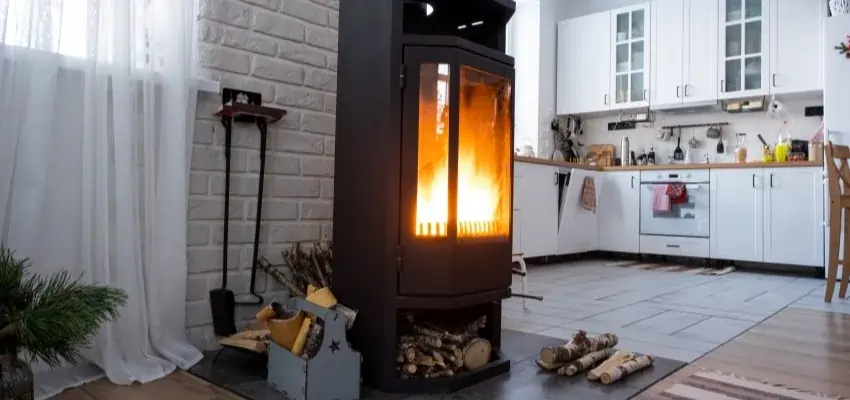
Start with whatever you noticed, even if it seems minor. A short description is enough for us to suggest the right kind of visit for your stove. Call (778) 924-6266 and the Chimney Sweep Port Coquitlam team will guide you from there.
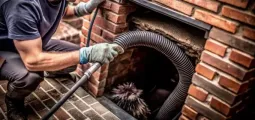
A swept flue and plain answers: Chimney Cleaning in Port Coquitlam
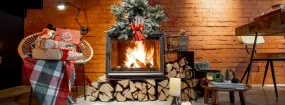
Enjoy the fire after Chimney Sweep in Port Coquitlam
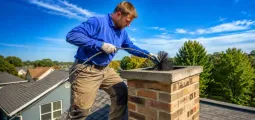
From roof cap to firebox, Chimney Sweep Services in Port Coquitlam
Ready for the season with Fireplace Experts in Port Coquitlam
Glass cleaned without scratches: Gas Fireplace Cleaning
Catch a weak thermocouple early with Gas Fireplace Maintenance