Fireplaces and stoves tend to show their faults when they go back to work after a long rest: a pilot that will not catch, glass that clouds over or, on a wood unit, smoke that puffs out when the door opens. If that sent you looking for “heat & glo fireplace repair”, you are in good company, and most of these problems have ordinary explanations. Below, households in Port Coquitlam will find practical answers about Heat & Glo gas fireplace repair: what tends to wear out, what a technician checks and what you can safely look at yourself.
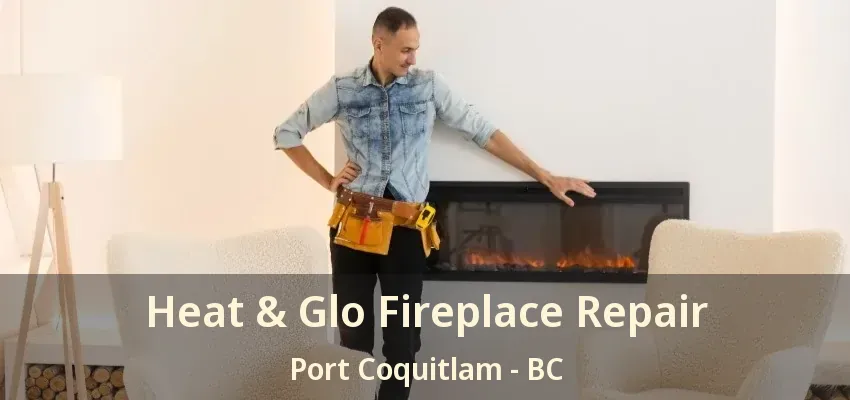
No, an experienced fireplace technician can usually take on the job, dealer or not. On site, the badge on the front matters less than what sits behind the access panel: the valve and ignition design on a gas unit, or the baffle, air controls and gaskets on a wood stove. We read the label, pull up the manual for that model and check its parts list before ordering anything. When a repair calls for a component only the manufacturer supplies, we order that component rather than improvising. Asking a technician which brands and fuel types they see most often is a fair question before you book.
Most branded fireplaces wear out in predictable places, whatever name is on the front. Typical problems include:
None of these is unusual, and most can be repaired once the cause is confirmed.
A pilot that will not stay lit usually points to a weak flame sensor, a pilot assembly clogged with dust or a draft problem in the venting. On many fireplaces, a small sensor called a thermocouple or thermopile sits in the pilot flame and holds the gas valve open; when it wears out or the flame no longer reaches it, the valve shuts. Low gas supply and a blocked vent can cause the same symptom. Leave the unit off rather than relighting it again and again, and book a technician. If you ever smell gas, leave the home and call your gas utility from outside.
A repair visit usually follows a clear sequence, starting with diagnosis. The technician asks what you have noticed, reads the model and serial label and makes sure the unit is cool and safe to open. On a gas fireplace, that means watching the ignition sequence, inspecting the pilot, burner and venting and checking connections for leaks. On a wood unit, it means looking at seals, baffles, firebricks and the flue connection. Once the cause is found, you should hear what failed, what the fix involves and whether a part has to be ordered. Simple repairs are often finished the same visit.
Most of the difference comes down to three things: the part, the access and the time it takes to find the fault. Parts vary widely, and an electronic module or valve costs far more than a gasket kit. Access matters because an insert boxed in by stone, or a stove squeezed into a tight alcove, takes longer to open up than a unit with room around it. Intermittent faults take the most diagnosis, since we may need to run the fireplace through several cycles to catch the problem. We explain those factors before starting and price parts and labor separately.
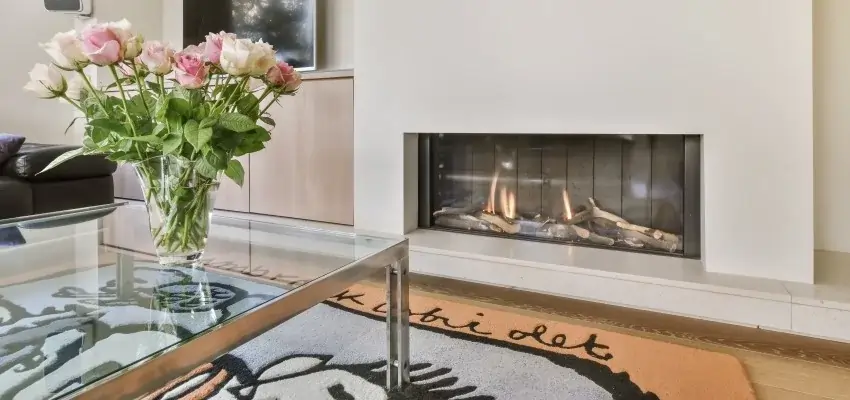
That depends on the model. Fireplaces with electronic ignition need power for the spark and controls, and many are designed to accept a battery backup so they can still light when the electricity goes out; your manual says whether yours has one and where the batteries go. Older standing-pilot designs make their own small current from the pilot flame, so they often keep working, although blowers and lights stop. If yours will not light during an outage, do not force it. Note the behavior and mention it when you book Heat & Glo gas fireplace repair, because a backup that has quietly failed is a common find.
The model and serial number are printed on a rating label or metal plate attached to the unit. On many gas fireplaces and inserts, it sits behind the lower louver or grille near the controls, sometimes on a chain or tag that pulls out. On freestanding stoves, it is often on the back or underneath. Wait until the unit is completely cool, use a flashlight and take a clear photo rather than copying it by hand. Do not remove panels or touch gas parts to find it. If you cannot locate the label, photos of the front and the controls still help.
It should work the way it did when it was healthy, and we check that before leaving. We run the fireplace through a full start, watch the flame pattern and confirm the controls respond, or for a stove, make sure new gaskets seat properly when the door latches. Fresh paint, adhesives and new gaskets can give off a smell for the first few burns; that is expected and fades quickly with some ventilation. What is not expected is the same fault coming back. If it does, let us know, because an intermittent problem sometimes has a second cause hiding behind the first.
No. Chimney Sweep Port Coquitlam is an independent fireplace service company. We are not a dealer for Heat & Glo or any other manufacturer, and we do not claim a connection we do not have. What we bring to a gas fireplace repair is hands-on work with built-in units and inserts, the habit of reading the rating label first and the manufacturer’s own instructions for that model. When a part is needed, we source the item listed for your fireplace rather than a lookalike. If you were comparing results for “heat & glo fireplace repair”, ask every company the same question and expect a straight answer.
A quote is easier to trust when it is based on your actual home. Share the basics, such as the type of home and what prompted the call, and we will explain what Heat & Glo gas fireplace repair would involve. Ask for your quote here, with no obligation to book.
A swept flue and plain answers: Chimney Cleaning in Port Coquitlam
Enjoy the fire after Chimney Sweep in Port Coquitlam
From roof cap to firebox, Chimney Sweep Services in Port Coquitlam
Ready for the season with Fireplace Experts in Port Coquitlam
Glass cleaned without scratches: Gas Fireplace Cleaning
Catch a weak thermocouple early with Gas Fireplace Maintenance