Before you ask for a quote, it helps to know what a sensible plan looks like. Homeowners in Port Coquitlam who search for “flue tiles cracked repair” often get very different advice from different companies, and it is hard to tell which fits their house. The questions below cover flue tile repair in a practical, even-handed way, with notes on cost factors, timing and the points worth raising with any contractor.
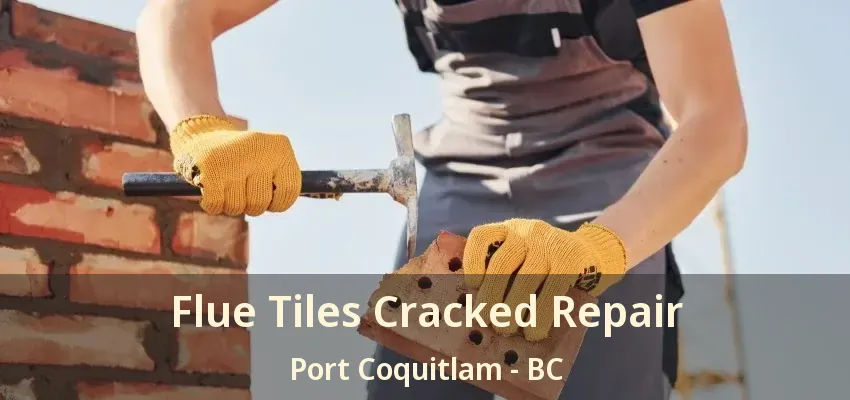
Work that affects the inside of a chimney, such as flues, liners, dampers or appliance venting, belongs with a chimney specialist, while a roofer is the right call for the shingles around it. Chimney technicians understand draft, heat and the clearances that keep nearby wood safe, and they have the tools to inspect a flue with a camera. Many jobs sit on the border, like flashing or the part of the chimney above the roofline, and either trade may handle them. When in doubt, ask how the company would check the flue and the chimney top, not only the outside.
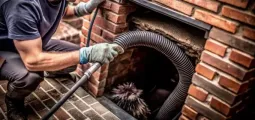
We will not quote serious chimney work without looking first, and that is a fair test of any company. From the roof we check the top of the stack, the crown, pots and caps, the flashing and the brick or siding. Inside we run a camera up the flue to see tiles, joints and any liner. At the bottom we look at the damper, smoke chamber and firebox. That full picture keeps us from selling a cosmetic fix for a structural problem, or the reverse. You end up with a plan built on evidence, which is also the easiest kind to compare against another quote.
A careful crew protects your home by covering the hearth and nearby floor, sealing the fireplace opening when soot or dust could escape and using vacuums with fine filters for any debris. Outside, tarps go over shrubs, decks and roof sections where tools or materials sit, and ladders are padded where they touch gutters or siding. Some jobs create very little mess, while others, such as removing old flue tiles, produce more. Ask what protection is planned for your job, and move valuables and furniture away from the fireplace before the crew arrives.
Not always. When damage is limited to a few hairline cracks or open joints and the rest of the flue is sound, resurfacing with a heat-resistant coating can be enough. When several tiles are broken, shifted or missing, or when the flue also needs resizing for a new appliance, a full stainless or cast-in-place liner is usually the more reliable fix. Cost, the appliance and the flue’s overall condition all play a part. Ask the company handling your flue tile repair to show you the footage and explain why it chose one approach over the other.
Anywhere from a short visit to several days, and we plan it around the size of the job, the access and the materials. A repellent on a dry, accessible chimney or a single pot swap is quick. A new liner or a prefab chimney through a finished ceiling and roof usually fills a day. A remodel that changes the height or face of a masonry chimney is measured in days, partly because new work has to cure before the next layer goes on. We also watch the forecast, since rain and frost decide when masonry and coatings can be done well.
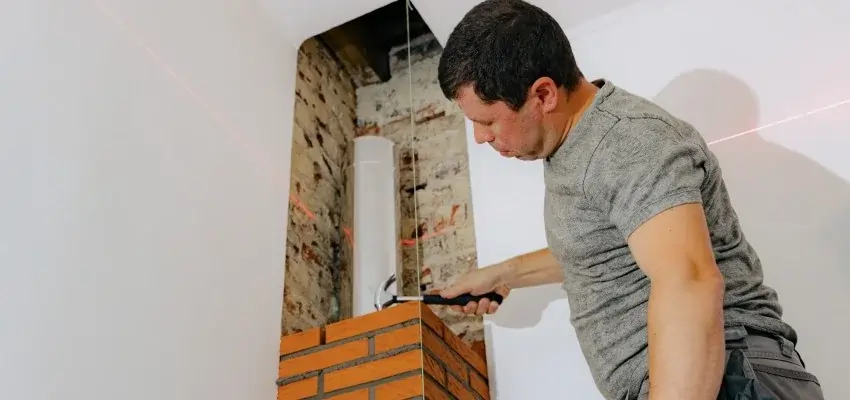
The cost of chimney work depends on the scope, the materials, the height and pitch of the roof and the condition of what is already there. A short chimney on a gentle roof is simpler to reach than a tall one on a steep or three-story house. Materials range widely, from a repellent or standard pot to custom stainless parts, insulated liners or factory-built chimney kits. Hidden problems found once work begins, such as cracked tiles or rotted framing, add to the total. A written quote that lists each item lets you compare offers on equal terms.
Most of it comes down to how the fireplace is used and looked after. Burn dry, seasoned wood in moderate fires rather than very hot blazes fed with paper or trash, and have the flue swept regularly so creosote cannot build up and ignite. A cap keeps rain from soaking the tiles, and a sound crown keeps water out of the joints. If a gas appliance shares the chimney, make sure its flue is properly sized or lined. After any “flue tiles cracked repair” work, a yearly inspection catches new cracks while they are still small.
Follow the crew’s instructions about when the fireplace or stove can be used again, since new mortar, coatings or liners may need time. In the weeks after, watch for any stains, drafts or smoke that seem new. Keep the area around the chimney top clear by trimming branches and cleaning nearby gutters. If you burn wood, use dry, seasoned firewood and have the flue swept regularly, which protects liners and tiles. Book a yearly inspection, and keep receipts and photos from the work so future technicians know what was done.
Choose a chimney contractor that inspects before quoting, explains the cause of the problem and shows you evidence. Look for a company that does the specific work you need, whether flue repair, chimney pots, waterproofing or factory-built chimney installation, and ask to see photos of similar jobs. A clear written quote, a realistic timeline and an explanation of how the home will be protected are good signs. Read recent reviews for comments about communication and tidiness. Be cautious with anyone who pushes a large job without photos or pressures you to decide on the spot.
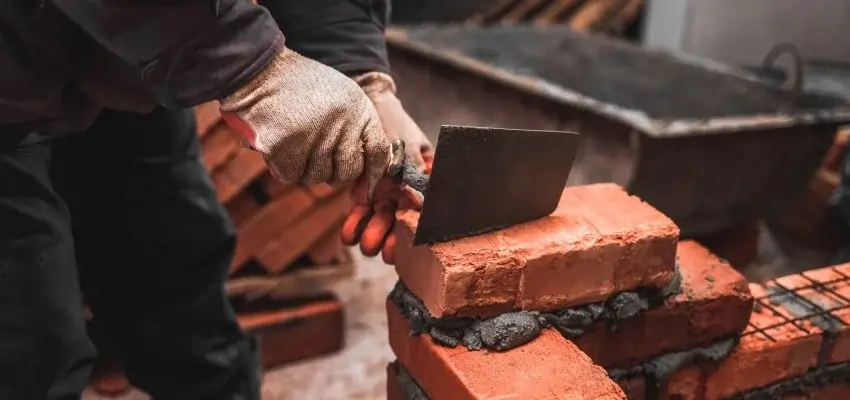
Parts of a home that have been in place for decades, from chimneys to ductwork, often hide earlier fixes and pieces that are no longer made. We check what is really there first, then talk through realistic options with you. Ask about flue tile repair for your setup in Port Coquitlam.
A swept flue and plain answers: Chimney Cleaning in Port Coquitlam
Enjoy the fire after Chimney Sweep in Port Coquitlam
From roof cap to firebox, Chimney Sweep Services in Port Coquitlam
Ready for the season with Fireplace Experts in Port Coquitlam
Glass cleaned without scratches: Gas Fireplace Cleaning
Catch a weak thermocouple early with Gas Fireplace Maintenance