Maybe the dryer is fine and you are just curious. Maybe the clothes come out damp, or there is a smell you cannot quite place. Either way, looking up “dryer vent inspection” makes sense, and one simple rule sorts most homes in Port Coquitlam into the right group. A single slow load is rarely a concern. Loads that keep taking longer, a cabinet that feels hot to the touch or a scorched smell near the machine are the signs worth acting on, and a good moment to ask about dryer vent inspection.
It can. Lint is light, dry and burns easily, and a clogged vent traps both lint and heat close to the dryer’s heat source. Dryers have safety switches that cut the heat when temperatures climb too high, but those parts can wear out, and a blocked vent makes them trip far more often. The risk for any single home is modest, yet it is real enough that keeping the vent clear is widely recommended. Empty the screen every time you use the dryer, avoid running it when nobody is home and have the vent cleaned if drying times are getting longer.
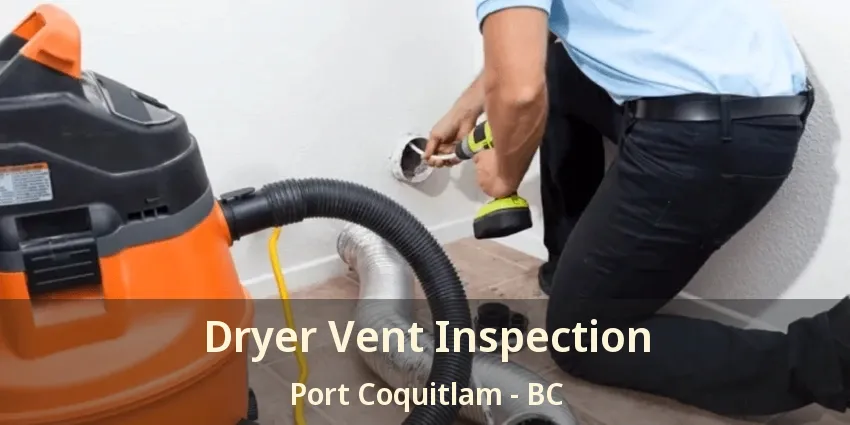
Yes. An inspection assesses the vent, while a cleaning removes what is inside it. During an inspection, a technician checks the material, route, joints, length, airflow and exterior hood, and may use a camera on hidden sections. A cleaning focuses on clearing lint from the hose, duct and hood. Many homeowners book both together, since the inspection shows what needs attention and the cleaning deals with the buildup right away. If your search for “dryer vent inspection” came from a home inspector’s note or a new dryer purchase, ask whether the visit includes cleaning or only the assessment.
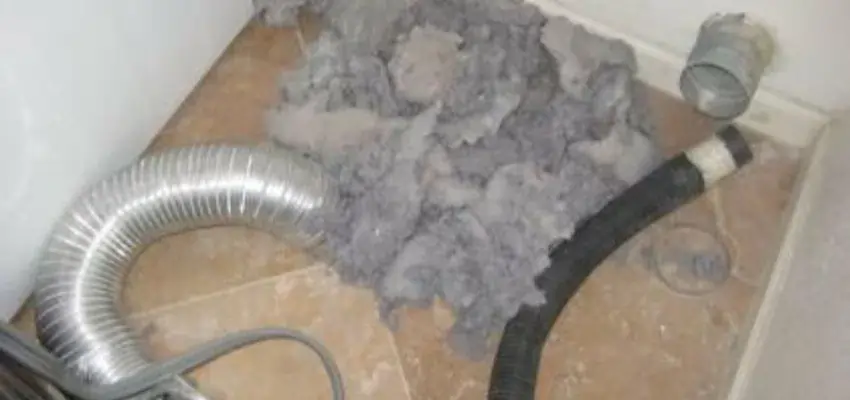
Dryer vent cleaning matters because the vent is the only way hot, moist air and loose lint can leave the machine. When lint narrows that path, the dryer has to run longer to finish each load, which wastes energy and wears out parts such as the heating element and blower. Heat also builds up inside the cabinet and duct, and lint ignites easily. Keeping your dryer vent clear helps loads dry on time, keeps the laundry room cooler and reduces a known fire risk in many homes. It is a small job compared with replacing a dryer that has been straining for too long.
A dryer vent is worth inspecting whenever something changes or seems off. Good times include moving into a home, installing a new dryer, finishing a renovation that touched the laundry room walls or ceiling, and noticing longer drying times or a hot laundry room. Many homeowners also pair an inspection with their regular cleaning so both happen in one visit. An inspection is especially useful when the vent route is hidden, since you cannot judge its length, bends or condition by peering behind the dryer. It gives you a clear picture before you spend money on fixes.
A humid laundry room usually means the moist air from the dryer is not making it outside. That can happen when the vent is clogged, when the connector hose has slipped off behind the machine or when the outside flap is stuck. In colder months, warm exhaust can also condense inside a long or uninsulated run, leaving droplets or damp lint in the duct. Check that the hose is attached at both ends and that the flap opens. If you see water dripping from the vent or rust stains on the duct, have the run looked at, since trapped moisture makes lint cling and can damage nearby drywall.
We clean roof vents from the laundry side first and finish at the cap, and they are some of the most packed vents we see. Lint travels up the vertical section, loses speed and falls back, so it builds in layers near the bottom of the riser and again at the cap. Many roof caps were never designed for dryers and have small openings or screens that collect lint quickly. Our rods have to be long enough for the full rise, and we only go up to the cap when the weather and pitch make it safe to be on the roof. Sometimes we suggest a cap made for dryer exhaust, which stays clear much longer.
Preparing for a dryer vent visit mostly means making room. Finish any laundry in progress and empty the dryer, then clear baskets, detergent bottles and anything stored on top of or beside the machine so it can be pulled out. If the laundry is in a closet, take out what is on the floor. Outside, move furniture, bins or planters away from the vent hood and unlock any gate. Let the company know about stairs, tight doorways or a vent that exits on the roof. A clear path saves time and protects your floors and walls.
A useful report describes your vent in plain terms. It should note the duct material, the approximate length and number of bends, where the vent ends outside and the condition of the connector, joints and hood. It should record airflow, or at least whether it was strong or weak, and list anything that needs attention, ranked by importance. Photos help, especially of hidden sections seen through a camera. The report should end with clear recommendations, such as cleaning now, repairing a joint or planning a reroute, so you know what to do next and when.
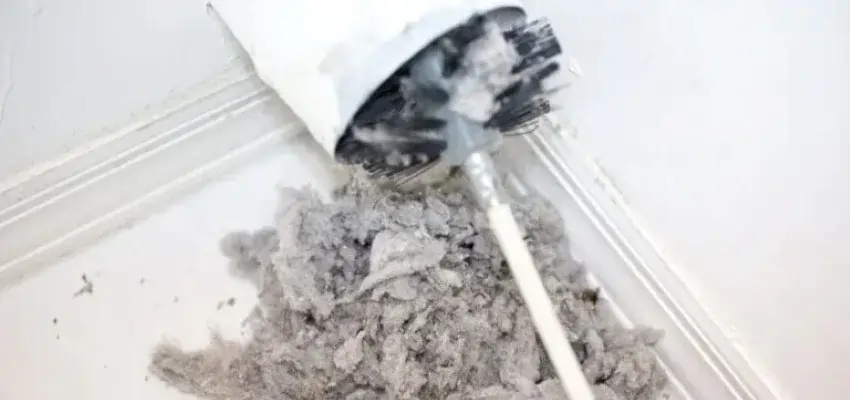
You can handle part of the job yourself, but most homes benefit from a professional cleaning of the full vent. Safe DIY tasks include emptying and washing the lint screen, vacuuming the screen slot, wiping lint off the outside hood and checking that the flap opens. Brush kits from a hardware store can work on a short, straight vent you can reach from both ends. Long runs, roof exits, gas dryers and vents hidden in ceilings are better left to a technician with longer rods and stronger vacuums. Leaf blowers tend to scatter lint and push clumps deeper rather than remove them.
You do not need to know the right terms before you call. Describe the problem in your own words and we will translate it into a plan for your dryer vent. Reach us at (778) 924-6266 or ask for a quote online, whichever is easier for you.
A swept flue and plain answers: Chimney Cleaning in Port Coquitlam
Enjoy the fire after Chimney Sweep in Port Coquitlam
From roof cap to firebox, Chimney Sweep Services in Port Coquitlam
Ready for the season with Fireplace Experts in Port Coquitlam
Glass cleaned without scratches: Gas Fireplace Cleaning
Catch a weak thermocouple early with Gas Fireplace Maintenance