Moving into a new place, buying a new dryer or noticing a musty laundry room can all raise the same question: when was the vent last cleaned? People in Port Coquitlam who end up typing “dryer vent cleaning” often have no idea, and that is completely normal. With no record to go on, it is reasonable to treat the vent as due. A look at the outside hood helps: a flap that stays shut while the dryer runs, or fluff caught in the louvers, is a good reason to ask about dryer vent service sooner rather than later.
Not in the usual sense, because a ventless dryer has no duct to the outdoors. Condenser and heat pump models cool the moist air inside the cabinet, collect the water in a container or send it to a drain and reuse the dried air. They still need care, though: the lint screen after every load, plus a second filter or a condenser unit that has to be rinsed or brushed as the manual describes. If you are reading about “dryer vent cleaning” and are not sure which type you own, look behind the machine. A round outlet with a hose attached means it is vented; no outlet at all means it is not.
Yes, a badly restricted vent raises the chance of a dryer fire, although most clogged vents never reach that point. What concerns us is a combination: lint packed into the duct, a cabinet that feels hot and a dryer that has been cycling on its high-limit switch for months. Crushed foil or plastic connectors behind the machine make things worse because they hold lint right where the air is hottest. When we clear a vent like that, we also check the connector and the outside hood, since an open path from end to end is what keeps temperatures where the manufacturer intended.
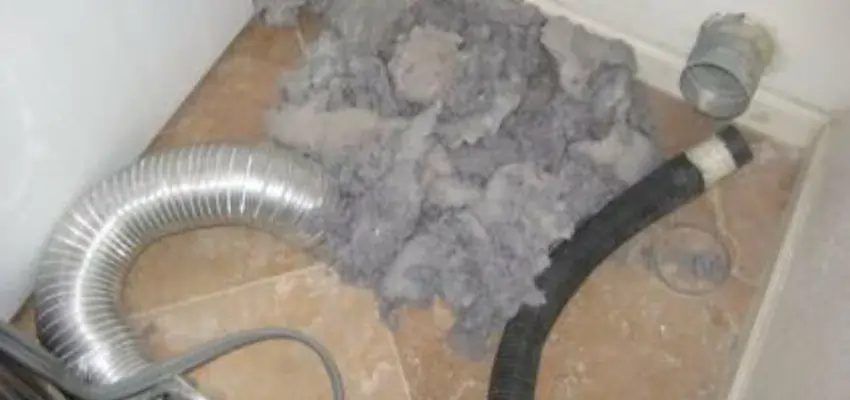
Trapped moisture almost always means the exhaust is moving too slowly, and it is one of the more useful clues we get. Every load of wet laundry releases a surprising amount of water as vapor, and all of it has to travel through the duct. If the air slows down, it cools before it gets out, and the water drops out inside the pipe. We find this most in long runs through unheated attics, garages and crawlspaces, and in ducts that sag and let water pool. Wet lint turns into a paste that blocks airflow faster than dry lint does. Correcting the slope, insulating exposed sections and clearing the buildup usually solves it.
The clearest sign of a clogged dryer vent is laundry that takes longer to dry than it used to. Other clues tend to show up alongside it:
One sign alone may have another cause, but two or three together usually point to a restricted vent that deserves a proper check.
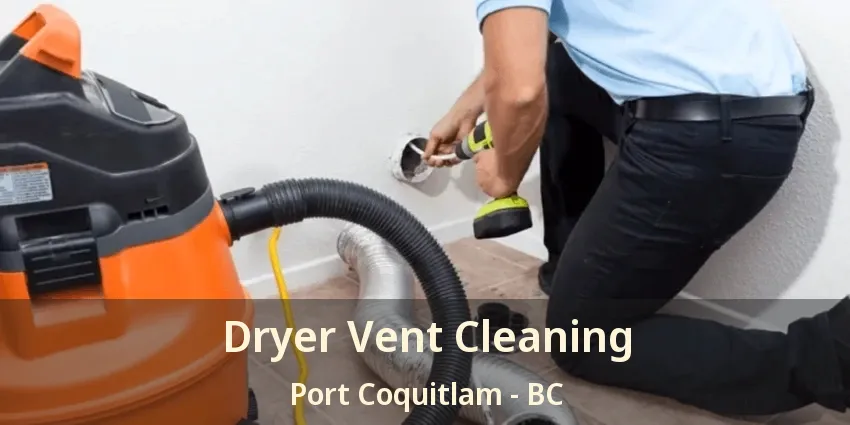
At Chimney Sweep Port Coquitlam, our process follows the air. We start at the dryer, checking the outlet and the transition, then work along the duct with a flexible rod and a brush head sized to the pipe while a vacuum or blower carries the debris away. Tight elbows get extra passes because that is where lint compacts. At the exterior we clear the hood and make sure the flap moves freely. Before and after cleaning, we test airflow at the termination, which gives us a simple way to show the improvement. If we spot damage along the way, we point it out rather than quietly working around it.
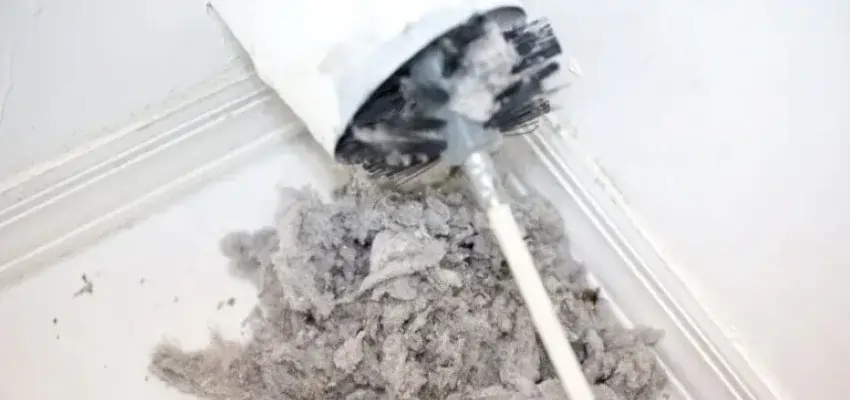
Yes, though usually less often than a long one. A vent that goes straight through the wall behind the dryer carries lint out efficiently, so the duct itself may stay fairly clear. The weak points simply move: the connector behind the machine gets crushed when the dryer is pushed back, and the outside hood collects fluff where the air slows against the flap. Short vents near ground level are also easy targets for nesting birds. Glancing at the flap every few months and booking dryer vent service when drying times creep up keeps a short run working well without paying for visits it does not need.
Yes, someone usually needs to be home for dryer vent cleaning, since most of the work happens indoors at the dryer. An adult who can let the technician in, point out the laundry area and answer a question or two is enough. Plan to be around at the end as well, when the dryer is reconnected and tested and the results are explained. If you cannot be there, ask whether a family member, neighbor or property manager can stand in. For rental homes in Port Coquitlam, landlords often arrange access with tenants ahead of time so nobody is caught off guard.
Comparing dryer vent quotes is easiest when each one covers the same work. Check whether the price includes the whole run from the dryer to the outside, the transition behind the machine and the exterior hood, and whether it changes for roof exits, long runs or heavy buildup. Look at how repairs and parts would be priced if they turn out to be needed. A quote that seems much lower than the rest may leave out part of the vent or add charges on site. The clearest quotes are written, specific to your home and explained without pressure to decide on the spot.
Working the same area week after week teaches us a lot. We learn which subdivisions have long basement runs, which townhouse rows vent through the roof and which older homes still have foil hoses tucked behind the wall. That knowledge makes quotes more accurate and visits quicker. It also means we are nearby if you have a question later or want us to take another look. When you call Chimney Sweep Port Coquitlam, you are talking to people who work on homes like yours in Port Coquitlam, not a call center routing jobs to whoever is free.
We protect the work area, clean up before we leave and tell you what we found in words that make sense. You end the visit knowing the state of your dryer vent. Book dryer vent service with Chimney Sweep Port Coquitlam when it suits you.
A swept flue and plain answers: Chimney Cleaning in Port Coquitlam
Enjoy the fire after Chimney Sweep in Port Coquitlam
From roof cap to firebox, Chimney Sweep Services in Port Coquitlam
Ready for the season with Fireplace Experts in Port Coquitlam
Glass cleaned without scratches: Gas Fireplace Cleaning
Catch a weak thermocouple early with Gas Fireplace Maintenance