Heating season has a way of arriving all at once, and so do the calls to chimney companies. Reading up early, as you are doing by searching “commercial chimney services”, gives you time to plan instead of scramble. Here are clear, practical answers about commercial chimney care for properties around Port Coquitlam, each one short enough to read before you pick up the phone and specific enough to be useful once you do.
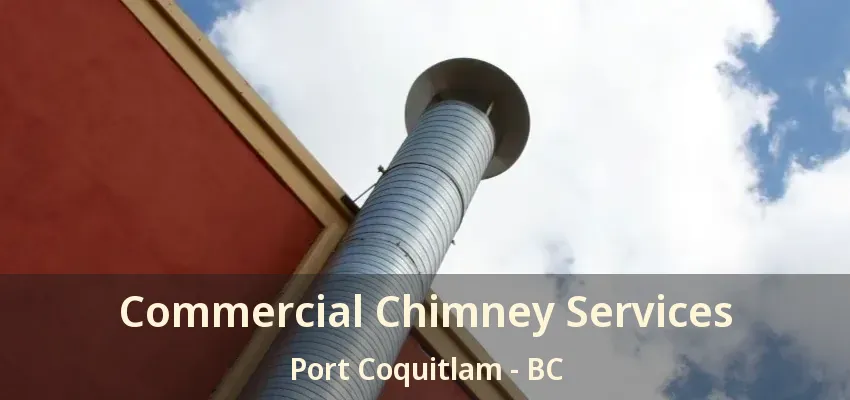
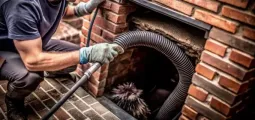
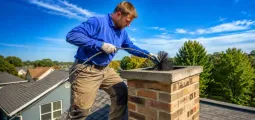
A chimney needs sweeping because every fire leaves deposits inside the flue, and if they are never removed they turn into a fire hazard and an obstruction. The main culprit is creosote, a tarry residue from wood smoke that burns hot and fast once it ignites. Buildup also narrows the passage, so smoke drifts back into the room and fires get harder to start. A swept flue drafts better, smells less and gives whoever cleans it a clear view of the liner, damper and cap, which is often how cracks, rust and loose parts are caught while they are still small.
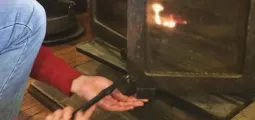
Black flakes dropping from the damper, a sluggish fire and a campfire smell that hangs around are the signs we see most, and any owner can spot them. When we open a damper and a shower of debris comes down, the flue is overdue. A fire that sulks, needs constant coaxing or leaves a haze in the room tells us the draft is restricted somewhere. A sharp odor long after the last fire usually comes from deposits in the flue. We also ask about the calendar: if nobody remembers when the chimney was last swept, that alone is reason enough to book a look before the next fire.
Smoke spills in when the draft is weaker than the push of the fire, and we usually trace it to one of a few causes. In tight, well-sealed houses, exhaust fans and dryers create enough suction that the chimney becomes an air intake instead of an exhaust. Short chimneys, nearby trees or a taller roofline beside the stack can disturb the airflow at the top. Inside the flue, heavy creosote, a nest or fallen debris narrows the path. Sometimes the fireplace opening is simply too large for the flue. Finding which one applies takes a look from both ends, and the fix ranges from a habit change to a repair.
Kitchen staff often notice the signs first. Smoke that lingers in the dining room, an oven that is harder to bring up to temperature, black flakes falling onto the oven floor and a stronger smoke smell outside near the stack all suggest the flue is restricted. A fire that needs more fuel than usual to stay hot is another clue. Because wood-fired ovens can build up deposits quickly, these signs can appear between scheduled visits. If staff report any of them, book commercial chimney care promptly and ask for a check of both the oven outlet and the full flue.
A camera earns its place on almost every visit, because the inside of a flue is the one part of a chimney nobody can see directly, and most serious problems start there. The camera head rides up on a rod with its own light, and the screen shows each joint and tile in turn. That is how we find the hairline crack two thirds of the way up, the liner section that slipped after a storm, or creosote packed above a bend in a stovepipe. Recording it matters too: when we recommend a repair, the footage lets the owner see exactly what we saw rather than taking our word for it.
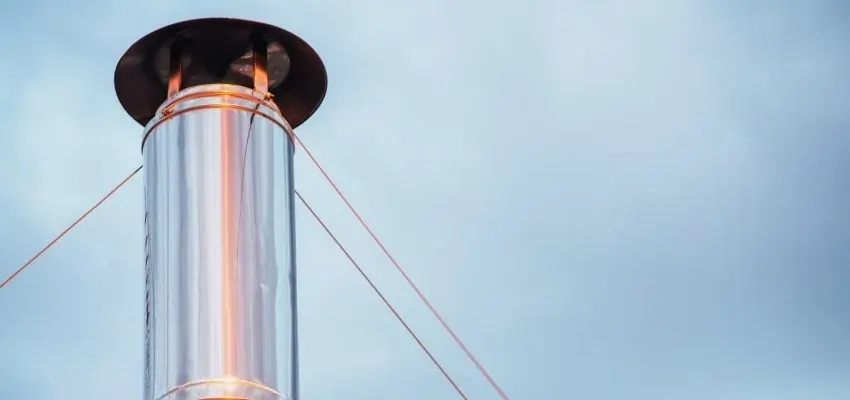
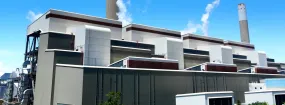
Anywhere from monthly for a busy wood-fired oven to yearly for a boiler flue, and we set the exact schedule from what we measure. A pizza oven burning from lunch to close can coat its flue faster than a house fireplace does in a whole winter, so those kitchens often start on a monthly or every-other-month rotation. After two or three visits we know the real rate and can adjust. Boiler stacks and gas-fired equipment produce little creosote, but their flues still need a yearly look for corrosion, debris and draft. Fireplaces in common areas sit somewhere in between. A written log of each visit keeps staff and owners on the same page.
Preparing for a chimney visit mostly means letting the fireplace or stove cool and clearing space around it. Skip fires for at least a day beforehand so the ashes and flue are cold. Move furniture, rugs, screens and decorations a few feet back from the hearth, and take fragile items off the mantel. Outside, make sure the technician can reach the roof: unlock gates, move vehicles away from the walls where a ladder may go and keep pets indoors. Note anything unusual you have noticed, such as smells, sounds or smoke, and have the date of the last cleaning handy if you know it.
Keep a simple log for every flue: the date of each visit, who did the work, what was found and what is due next. Store the provider’s written reports and photos in the same place, ideally digitally so they can be shared with managers, owners or landlords on request. Labeling each flue and appliance consistently makes it easy to see trends, such as one oven needing more frequent attention. A provider offering “commercial chimney services” should supply dated documents after every visit and help you set a schedule that matches your actual use.
Commercial clients are well served by a provider that treats documentation and communication as part of the job, not an extra. In our experience, managers want a predictable schedule, one contact person, dated reports with photos and a clear list of recommendations they can take to an owner or board. Technical fit matters too: a crew that sweeps house chimneys all day may not have the rotary tools, roof gear or experience for a busy pizza oven or a tall boiler stack. Ask about similar sites the company looks after and how it handles a job that runs longer than planned.
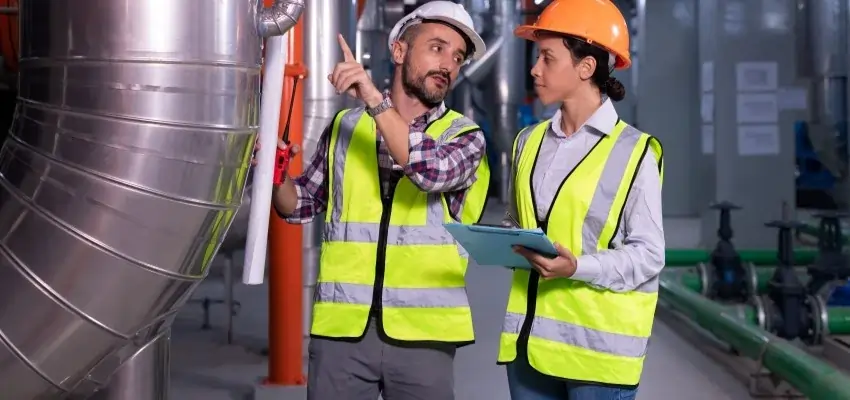
We work with people who live in their homes and with people who look after rental units around Port Coquitlam. Either way, you get a clear explanation of the work and what we found. Request a quote for one home or several and we will plan the visits with you.
A swept flue and plain answers: Chimney Cleaning in Port Coquitlam
Enjoy the fire after Chimney Sweep in Port Coquitlam
From roof cap to firebox, Chimney Sweep Services in Port Coquitlam
Ready for the season with Fireplace Experts in Port Coquitlam
Glass cleaned without scratches: Gas Fireplace Cleaning
Catch a weak thermocouple early with Gas Fireplace Maintenance