Chimney work is one of those services where it pays to understand the basics before anyone quotes you a price. A little background makes every conversation with a technician easier and every recommendation easier to weigh. This page offers that background for readers in Port Coquitlam who searched for “chimney sweep near me”, with plain explanations of chimney sweeping and the reasoning behind the advice you are likely to hear.
The obvious signs are noise, smoke and flames at the top, but the ones we look for are what a fire leaves behind. Creosote that has burned swells into a light, porous crust that looks a little like charcoal sponge. Clay tiles crack or shift, metal liners and caps can buckle or turn blue, and the mortar near the top may show heat damage. We sometimes find these marks in chimneys whose owners had no idea anything happened, because a slow fire can burn out on its own. That is why a camera inspection is the usual next step whenever there is any doubt about a past fire.
Hardened, glazed creosote is usually removed with rotary tools that scrape the flue wall, with chemical products that soften it over several fires, or with both, because an ordinary brush simply slides over its glassy surface. It forms when cool, smoky fires leave layer after layer of tar that bakes hard. Removal often takes more than one visit, and you may be asked to burn a few fires after a chemical application before the technician returns to finish. Sometimes the glaze is so thick, or the liner so damaged beneath it, that replacing the liner is the more sensible option. Ask for photos before and after.
We tell most owners to plan on a yearly visit and let the findings set the sweeping schedule. If we pull out a heavy load after one season, the chimney should be checked sooner next time; if the flue is lightly coated, stretching the interval is reasonable. Fuel and habits matter more than the calendar. Dry hardwood burned hot leaves far less behind than damp wood or a stove turned down overnight, and inserts and stoves often need attention more often than open fireplaces. Keeping a note of each visit and what came out makes the right rhythm for your chimney easy to see.
Someone usually needs to be home during a chimney visit, because most of the work starts at the fireplace or stove inside. An adult who can let the technician in, show where the appliances are and answer a few questions is enough. Try to be around at the end too, when the findings are explained and you can ask about anything that was noted. Roof-only tasks, such as checking a cap, can sometimes be done while you are out, but agree on that in advance. Landlords can arrange for a tenant or property manager to be present instead.
Tell us what burns in the chimney, what kind of appliance it serves, how tall the building is and what made you call, because those details save guesswork later. Wood, gas or both? A fireplace, an insert or a freestanding stove? Is the roof steep, tiled or metal? Have you had any trouble, like smoke in the room or scratching noises? Has anything changed recently, such as a new appliance or a renovation near the chimney? Those answers tell us whether to bring extra rods, roof gear or a camera, and how much time to reserve. We work around Port Coquitlam every week, so a good description helps us plan your slot.
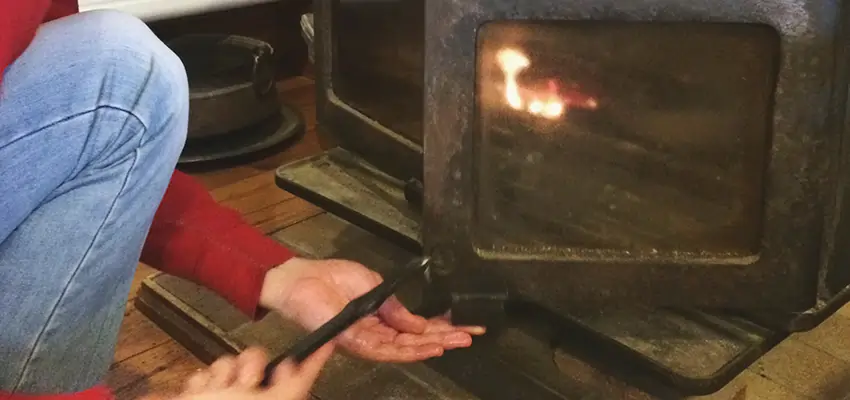
A cold firebox and a bare hearth help us more than anything else. Clear a few feet of floor for the vacuum and drop cloths, and lift screens and ornaments off the hearth itself. Warm ash is the most common reason a job starts late, since we cannot clean safely until it has cooled. Outside, we need a stable spot near the chimney for the ladder, so mention soft ground, flower beds or a deck that might be in the way. Tell us about alarm systems, a dog that dislikes visitors or a roof that is easier to reach from the back. Those small details save time on the day.
Most local companies are happy to return for a quick look if something does not seem right, and being close by makes that easy. Typical reasons include smoke during the first fire after cleaning, a cap that rattles in the wind or a smell that lingers longer than expected. Ask about the company’s follow-up policy when you book, including whether a return visit carries a charge. Note what you noticed and when, and send a photo if it helps. A sweep who works around Port Coquitlam regularly can usually fit a short check into an existing route.
A search for “chimney sweep near me” mixes genuine local businesses with booking services that pass jobs along. Check whether the company lists a service area that includes your town, whether its reviews mention nearby neighborhoods and whether the person on the phone knows the area. Ask where the crew is based and how often they work around Port Coquitlam. A local sweep should be able to describe common chimney types in your area and give a realistic arrival window. If answers stay vague, keep looking until you find someone who clearly works close by.
The biggest advantage of a chimney company that works nearby is familiarity with the buildings, weather and chimney styles of your area. Neighborhoods built in the same era tend to share construction details, so a nearby technician has likely seen your type of chimney many times. Local crews can also schedule more flexibly and return easily if a cap needs adjusting or you have a question later. Before booking, confirm the company works in your area itself rather than passing the job along, and ask for a clear arrival window. Recent reviews from nearby addresses are a useful check.
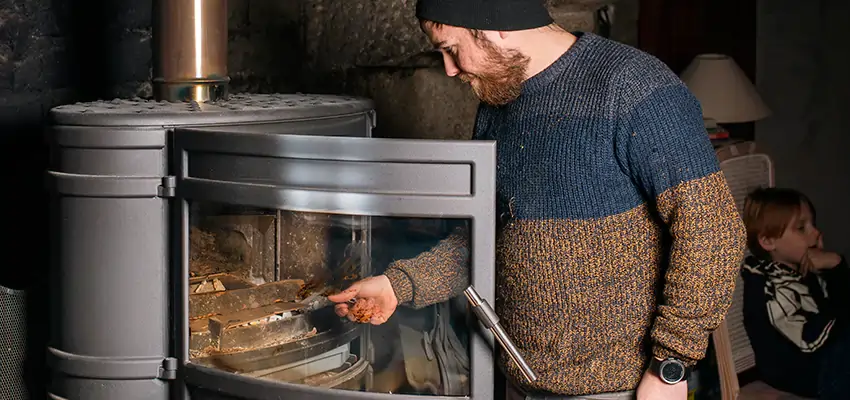
Tenants rely on things working, and owners want clear records. We coordinate access, keep the visit short where we can and send a plain summary afterward. Request chimney sweeping for your property and tell us how to reach the occupants.
A swept flue and plain answers: Chimney Cleaning in Port Coquitlam
Enjoy the fire after Chimney Sweep in Port Coquitlam
From roof cap to firebox, Chimney Sweep Services in Port Coquitlam
Ready for the season with Fireplace Experts in Port Coquitlam
Glass cleaned without scratches: Gas Fireplace Cleaning
Catch a weak thermocouple early with Gas Fireplace Maintenance