A smoky smell on a humid afternoon, scratching above the damper, a fire that refuses to draw: chimneys tend to announce trouble in small ways first. If one of those moments led you to search for “chimney service company”, you are in a good place to start. This page walks through chimney care for buildings around Port Coquitlam, explaining what usually causes problems, what a visit involves and which simple checks you can make safely on your own.
Soot is dry carbon and creosote is a tar-based wood smoke residue, and telling them apart helps us work out what is going on with the appliance. Soot wipes off on a fingertip and falls easily under a brush. When we find heavy soot in a flue serving a gas furnace, boiler or fireplace, we take it as a sign the burner may need attention from a qualified gas technician. Creosote, by contrast, tells us how the wood fires have been run: flaky deposits suggest reasonably hot burning, while sticky or glassy layers point to cool, smoky fires or firewood that was not dry enough.
A camera earns its place on almost every visit, because the inside of a flue is the one part of a chimney nobody can see directly, and most serious problems start there. The camera head rides up on a rod with its own light, and the screen shows each joint and tile in turn. That is how we find the hairline crack two thirds of the way up, the liner section that slipped after a storm, or creosote packed above a bend in a stovepipe. Recording it matters too: when we recommend a repair, the footage lets the owner see exactly what we saw rather than taking our word for it.
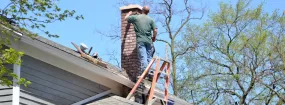
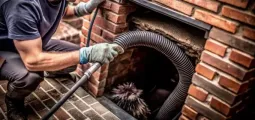
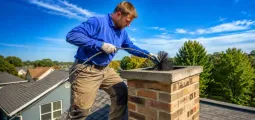
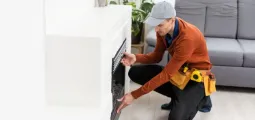
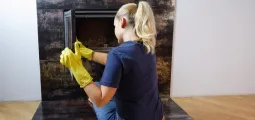
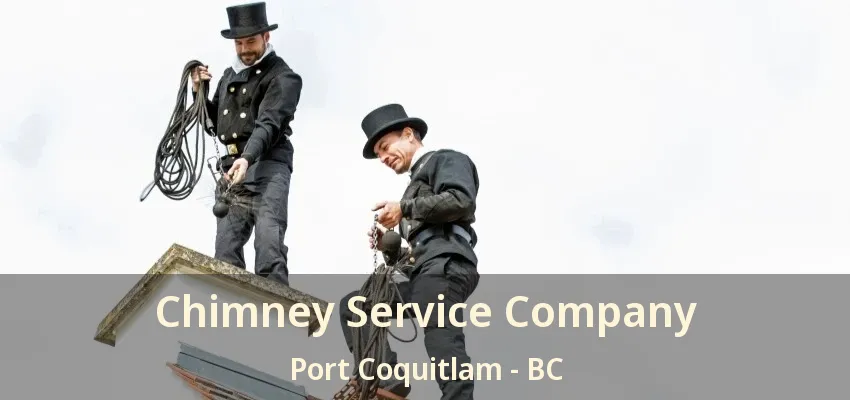
During a chimney sweep, the technician scrubs the inside of the flue from top to bottom and removes the loosened buildup without spreading it through the room. A typical visit starts with drop cloths around the hearth and a powerful vacuum set up at the fireplace or stove opening. Brushes sized to the flue are run through on flexible rods, from below, from the roof or both. The smoke chamber, damper and firebox are cleaned as well. Most sweeps finish by checking the cap and the visible parts of the chimney and telling you what they saw, including anything that needs attention later.
Late spring and summer are often the easiest times to have a chimney swept. The burning season is over, so the flue holds a full year of deposits, and sweeping then clears them before humid weather brings out odors. Appointments are also easier to get than in early fall, when many people remember their chimney at the same moment. Fall still works if you book ahead and leave time for any repairs the visit turns up. Heavy wood burners may add a midwinter check. If something already seems wrong, book right away instead of holding out for a particular month.
We tell most owners to plan on a yearly visit and let the findings set the sweeping schedule. If we pull out a heavy load after one season, the chimney should be checked sooner next time; if the flue is lightly coated, stretching the interval is reasonable. Fuel and habits matter more than the calendar. Dry hardwood burned hot leaves far less behind than damp wood or a stove turned down overnight, and inserts and stoves often need attention more often than open fireplaces. Keeping a note of each visit and what came out makes the right rhythm for your chimney easy to see.
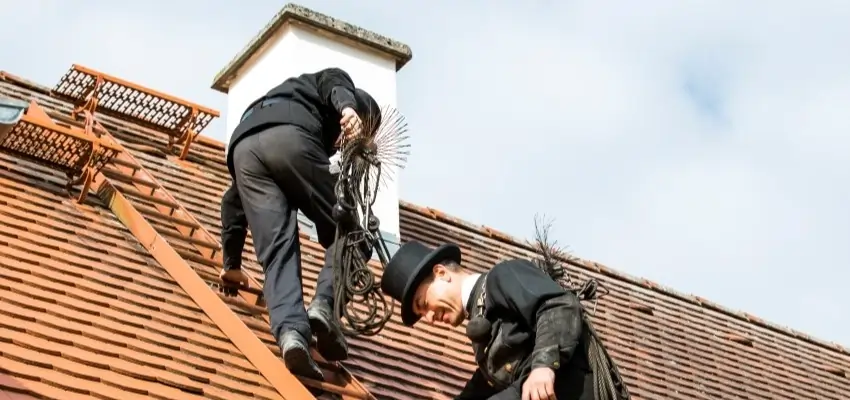
Describe the appliance, the building and what prompted the call, because those three details decide which tools and how much time the visit needs. Say whether it is an open fireplace, an insert, a wood stove or a gas appliance, how many flues the chimney has and roughly how tall the building is. Mention the roof type and anything that makes access tricky, such as a steep pitch or a locked gate. Add when the chimney was last swept, if you know, and anything unusual: smells, smoke, sounds, water stains or an animal. A photo of the chimney top helps too.
You can handle simple upkeep yourself, but the sweeping is usually a job for a professional, and creosote sweeping logs only loosen some deposits rather than replacing a real cleaning. Safe tasks include removing cold ashes, keeping the hearth clear, looking up the flue with a flashlight when the fire is out and checking the cap from the ground with binoculars. Full sweeping means roof work, brushes matched to the liner and a way to contain soot indoors, and it skips the inspection a trained technician does at the same time. Leave anything involving the liner, masonry or gas parts to professionals.
Line the quotes up and compare what each one actually covers rather than the totals alone. Check whether both include every flue, the smoke chamber and firebox, an inspection, photos and a written report. For repair quotes, compare materials, the extent of the work and how long it should last. A noticeably lower price may leave out something the other includes, while a much higher one may cover extra work you were not told about. Ask each company the same questions in writing. The clearer answers usually point to the better fit for your chimney care needs.
Before anyone climbs the roof, you should have a written description of the work, the price and what that price includes. That means the number of flues, whether an inspection or camera scan is part of it, how debris and soot will be contained and removed and what happens if extra problems turn up. For repairs, the materials and the expected timeline belong in writing too. Any business that turns up when you search for “chimney service company” should be comfortable providing all of this by email, and it should explain any item you do not understand before asking you to agree.
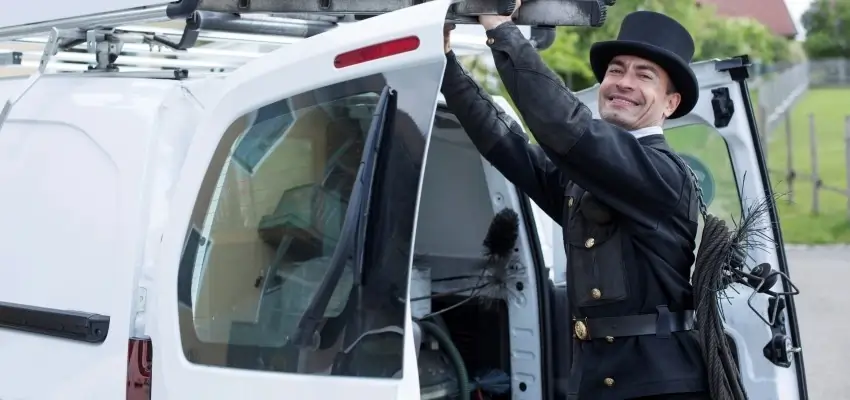
Simple routines at home go a long way, and a periodic visit catches what you cannot see. Together they keep your chimney in steady shape year after year. Call (778) 924-6266 to plan the next check with Chimney Sweep Port Coquitlam.
A swept flue and plain answers: Chimney Cleaning in Port Coquitlam
Enjoy the fire after Chimney Sweep in Port Coquitlam
From roof cap to firebox, Chimney Sweep Services in Port Coquitlam
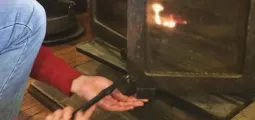
Ready for the season with Fireplace Experts in Port Coquitlam
Glass cleaned without scratches: Gas Fireplace Cleaning
Catch a weak thermocouple early with Gas Fireplace Maintenance