Most chimney visits are about sweeping, but some homes need something more specific: a flue that no longer suits the fireplace, a pot that has worked loose, a new factory-built chimney or brickwork that soaks up every storm. If you searched for “chimney remodel”, the answers below cover chimney renovation for homeowners in Port Coquitlam in plain terms, including what the job involves, how long it takes and what to ask before anyone starts.
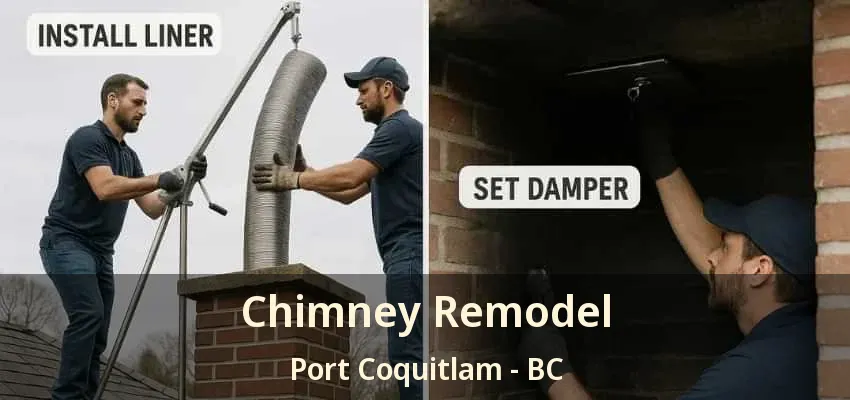
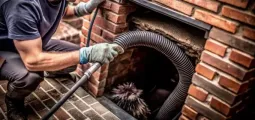
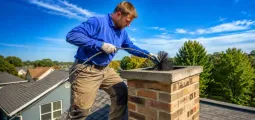
Work that affects the inside of a chimney, such as flues, liners, dampers or appliance venting, belongs with a chimney specialist, while a roofer is the right call for the shingles around it. Chimney technicians understand draft, heat and the clearances that keep nearby wood safe, and they have the tools to inspect a flue with a camera. Many jobs sit on the border, like flashing or the part of the chimney above the roofline, and either trade may handle them. When in doubt, ask how the company would check the flue and the chimney top, not only the outside.
Yes. A chimney that no longer serves any appliance can be taken down below the roofline, with the roof patched over, or capped at the top so rain and animals stay out while the structure remains. Full removal through the house is a bigger job because it affects floors, walls and sometimes structural support, so it needs careful planning. Partial removal is common when the top section is damaged. If you keep the chimney, a vented cover helps limit moisture buildup inside. Anyone considering a “chimney remodel” project like this should confirm that nothing, including a furnace or water heater, still uses that flue.
Signs fall into three groups, and the second one is the most urgent. Water clues: stains, a musty smell after rain, bricks that stay dark long after a storm. Heat and smoke clues: draft that has weakened, smoke in the room, an odor in the walls beside the flue, a chimney fire you heard roar. Structural clues: a loose pot, cracked tiles dropping into the firebox, a top that looks out of line. Any of these is reason enough for a closer look, and with heat and smoke clues the appliance should stay cold until the chimney has been checked.
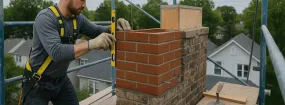
Shortening, extending and refacing are all doable, and each comes with its own checks. Shortening means taking the stack down to a sound course, then either capping the flue with a vented cover or closing it off entirely if nothing uses it. Extending means building up in matching brick or adding a flue extension, then confirming the new top clears nearby roof surfaces. Refacing means a new skin over the old masonry, which only works if the masonry underneath is sound and the new finish lets moisture escape. We sketch the plan with you before any brick comes down.
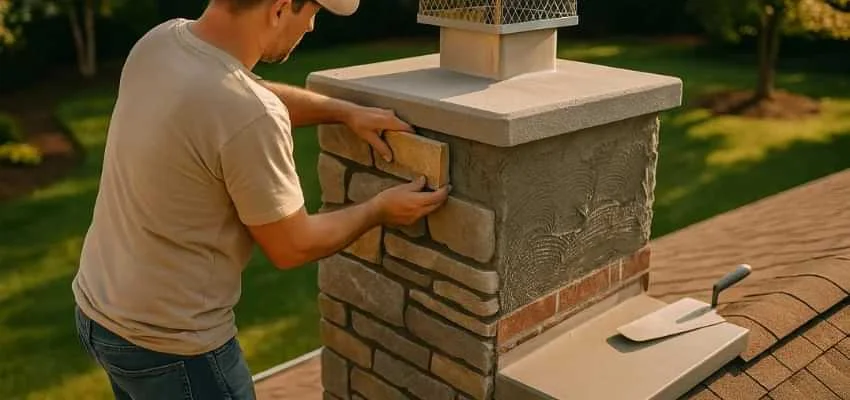
Often, yes. Thin stone veneer, natural or manufactured, can be applied over sound brick or over a framed chase with the right backing, lath and drainage details. The existing surface must be solid and clean, and the veneer needs flashing and a way for moisture to escape at the base so water does not get trapped behind it. Weight is a consideration on older chimneys. If you are planning a “chimney remodel” with stone in mind, ask how the veneer will be attached, how the top will be finished and how the work will meet the roof.
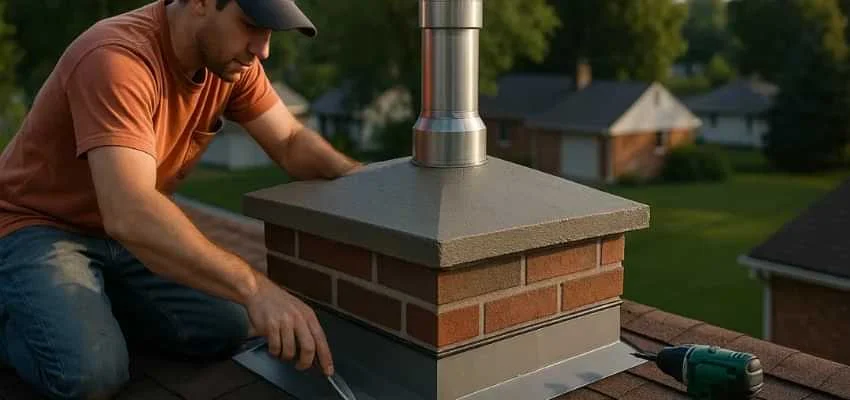
Some chimney work can be done in almost any weather, but masonry, crown work and water repellents need mild, dry conditions. Mortar and concrete should not freeze while they cure, and coatings need dry brick to soak in properly, so those jobs are usually planned for spring through fall. Liner installation, pot fitting and some interior work are less sensitive, though roof access still depends on ice, wind and rain. Booking ahead of the cooler months gives the widest choice of dates. If the forecast turns, a careful company will reschedule rather than rush.
We recommend once a year for most homes and treat it like any other seasonal service. The yearly visit lets us see how repairs, repellents, pots or new liners are holding up and catch small issues while they are cheap to fix. We suggest an extra look after high winds, hail or lightning nearby, after any chimney fire and when an appliance is added or swapped. Homes that burn a lot of wood may need sweeping more than once a season. Keeping a simple log of dates and findings makes it easy to spot trends over time.
Homeowners can safely handle the watching and the basics, while anything on the roof or inside the flue belongs with a professional. Safe tasks include burning only dry, seasoned wood, keeping the hearth clear, opening and closing the damper to check it moves, looking at the chimney from the ground with binoculars and checking walls and ceilings near the chimney after storms. Do not climb onto the roof, apply sealers yourself, work on liners or touch gas appliance venting. A carbon monoxide alarm on each level of the home is a simple, important step.
A good chimney quote lists the work item by item, the materials and sizes, how access will be handled, the expected timing and what happens if hidden damage is found. It should say whether clean-up, disposal, any permits needed and a follow-up visit are included. When comparing quotes, line them up side by side and check that each covers the same scope; a much lower price often means fewer items, thinner materials or a shortcut such as a coating instead of a repair. Ask each company to explain anything you do not understand before you sign.
A proper look at your chimney means one less worry for everyone under your roof. We explain what we checked and what we recommend, step by step, in plain words. Call (778) 924-6266 to book chimney renovation in Port Coquitlam.
A swept flue and plain answers: Chimney Cleaning in Port Coquitlam
Enjoy the fire after Chimney Sweep in Port Coquitlam
From roof cap to firebox, Chimney Sweep Services in Port Coquitlam
Ready for the season with Fireplace Experts in Port Coquitlam
Glass cleaned without scratches: Gas Fireplace Cleaning
Catch a weak thermocouple early with Gas Fireplace Maintenance