Our crews hear the same questions on almost every roof and in almost every living room, so we wrote them down. If “chimney masonry services” is what brought you here, you will find honest explanations of chimney masonry repair for homes around Port Coquitlam, the kind a technician would give while pointing at the chimney itself. Some answers deal with safety, some with cost factors and timing, and a few simply explain how the parts of a chimney work together.
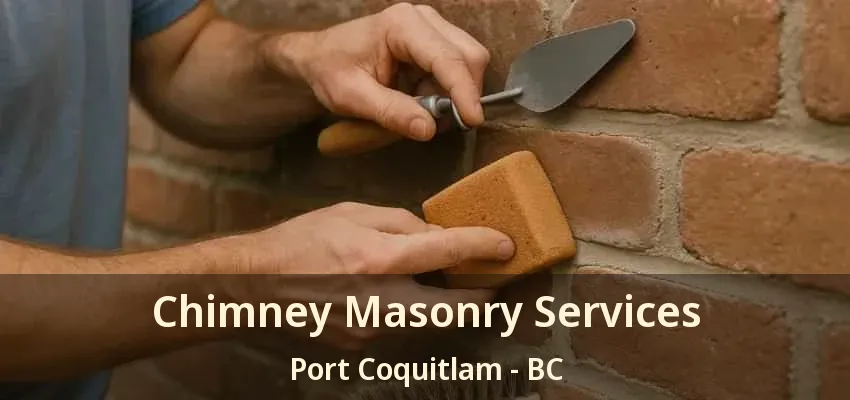
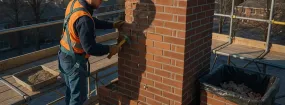
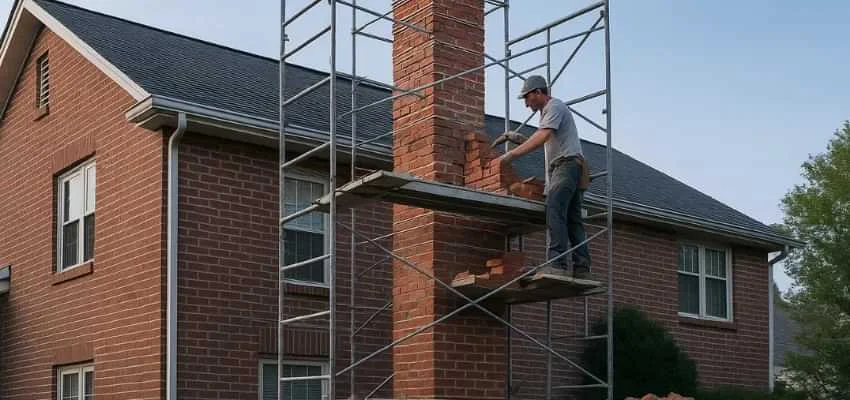
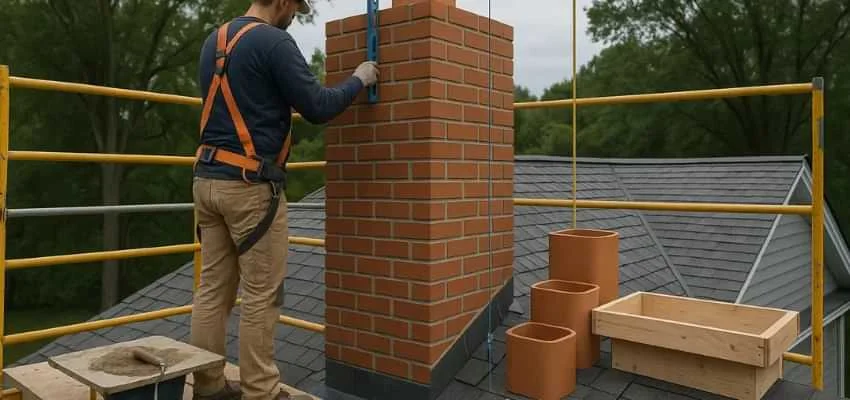
Chimney masonry work covers the brick or stone structure and everything built into it. Typical jobs include replacing damaged bricks, repointing worn mortar joints, rebuilding or sealing the crown, rebuilding the top of the chimney above the roof, repairing the firebox walls and resetting loose stone. It often includes small related tasks too, such as resetting counter flashing into fresh joints. Liners, caps and dampers are usually separate items, though many companies handle all of them. When you request quotes for “chimney masonry services”, ask each company to list which of these tasks it is pricing, so you can compare like with like.
Sometimes yes, often no, and the deciding factor is whether the damage touches the path the smoke takes. A chipped brick on the outside of the stack is not going to change how the fire drafts tonight. A broken flue tile, a liner with gaps, a crown that lets rain pour into the flue or a fan that has stopped running can. When we are asked this on the phone, we usually suggest leaving the fireplace or stove cold until the chimney has been checked. A few quiet evenings cost nothing, and a carbon monoxide alarm near the bedrooms is cheap protection in any home with a fuel-burning appliance.
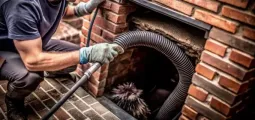
A chimney’s parts fall into three groups: the weatherproofing outside, the flue liner inside and the working parts at the bottom. Weatherproofing means the cap, the crown, the flashing and the face of the bricks and mortar. The liner is the channel that handles heat and corrosive exhaust. Down at hearth level are the pieces people actually touch, such as the damper handle, the firebox walls and the ash dump door. On a prefab system, a framed chase and its sheet metal top replace the brick. When we diagnose a problem, we trace it to one of these groups first, because that decides what the fix looks like.
A leaking chimney almost always has one of a few causes: a missing or damaged cap, a cracked crown, failed flashing where the chimney meets the roof, or porous bricks and mortar soaking up rain. On factory-built chimneys, a rusted or flat chase cover is a frequent culprit. Water may show up far from where it enters, running along the flue or the framing before it appears as a stain. Note when the leak happens, whether in every rain or only when wind blows from one direction, and where you see it. Those details help narrow down the source quickly.
Joints that have shrunk back from the brick face, cracked along the edges or turned soft and powdery are the signs we look for, and they are usually visible from a short distance. Healthy mortar, by contrast, fills the joint, sits tight to the brick on both sides and is shaped to shed water. On the roof, a light scrape with a tool tells us whether it still holds together. We also note where the damage sits: the top few courses and the weather-facing side usually go first. Repointing those areas promptly keeps water from reaching the core of the chimney.
Chimney tuckpointing is done in three stages: removing the damaged mortar, filling the joints with fresh mortar and finishing them to shed water. Old mortar is cut out with a grinder or chisel to an even depth, a common guideline being about twice the width of the joint, and the dust is cleaned away. New mortar, matched in strength and color to the original, is packed in layers so each one firms up before the next. Masons often mix small test batches and let them dry, because wet mortar looks darker. Finally, the joints are tooled to match the rest of the chimney.
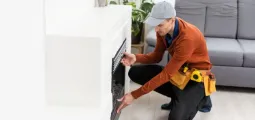
A chimney repair visit normally starts with an inspection to confirm the problem and check for anything related. The technician protects the area around the fireplace and, for exterior work, sets up ladders or roof anchors. Then the damaged part is removed or prepared, whether that means grinding out mortar, cutting away old sealant, unbolting a cap or opening a damper assembly. New materials go in, and the work is checked for fit and weathertightness. At the end you should see the finished work or photos of it and hear about anything else that turned up along the way.
Well-done tuckpointing typically lasts many years, often decades, before the joints need attention again. How long it holds depends on the mortar mix, the quality of the work, the weather the chimney faces and whether the water problems above it were fixed. A chimney with a sound crown, a good cap and working flashing keeps its new mortar far longer than one where water still pours over the top. Sides that catch driving rain or repeated freezing wear faster. A yearly look at the joints lets you repoint small areas as they wear instead of redoing the whole chimney.
It can be a sensible finishing step once the new mortar has cured. A breathable, vapor-permeable repellent made for masonry slows rain absorption while still letting moisture inside the brick escape. Avoid paint, film-forming sealers and products not meant for chimneys, because trapped moisture can make bricks spall. Repellents do not replace a sound crown, cap or flashing, and they wear off over time, so they are reapplied every few years. If you are considering one after “chimney masonry services” work, ask how long to wait before application and which type of product the company uses.
From townhouses to detached homes, we see a wide range of setups around Port Coquitlam and plan each visit around the home in front of us. If it is time to have your chimney looked at, get in touch with Chimney Sweep Port Coquitlam and we will arrange a time that suits you.
A swept flue and plain answers: Chimney Cleaning in Port Coquitlam
Enjoy the fire after Chimney Sweep in Port Coquitlam
From roof cap to firebox, Chimney Sweep Services in Port Coquitlam
Ready for the season with Fireplace Experts in Port Coquitlam
Glass cleaned without scratches: Gas Fireplace Cleaning
Catch a weak thermocouple early with Gas Fireplace Maintenance